How to plan an accessible park outing
Organize arrival, choose a route that suits your preferences and confirm rest points, communication and support before leaving.
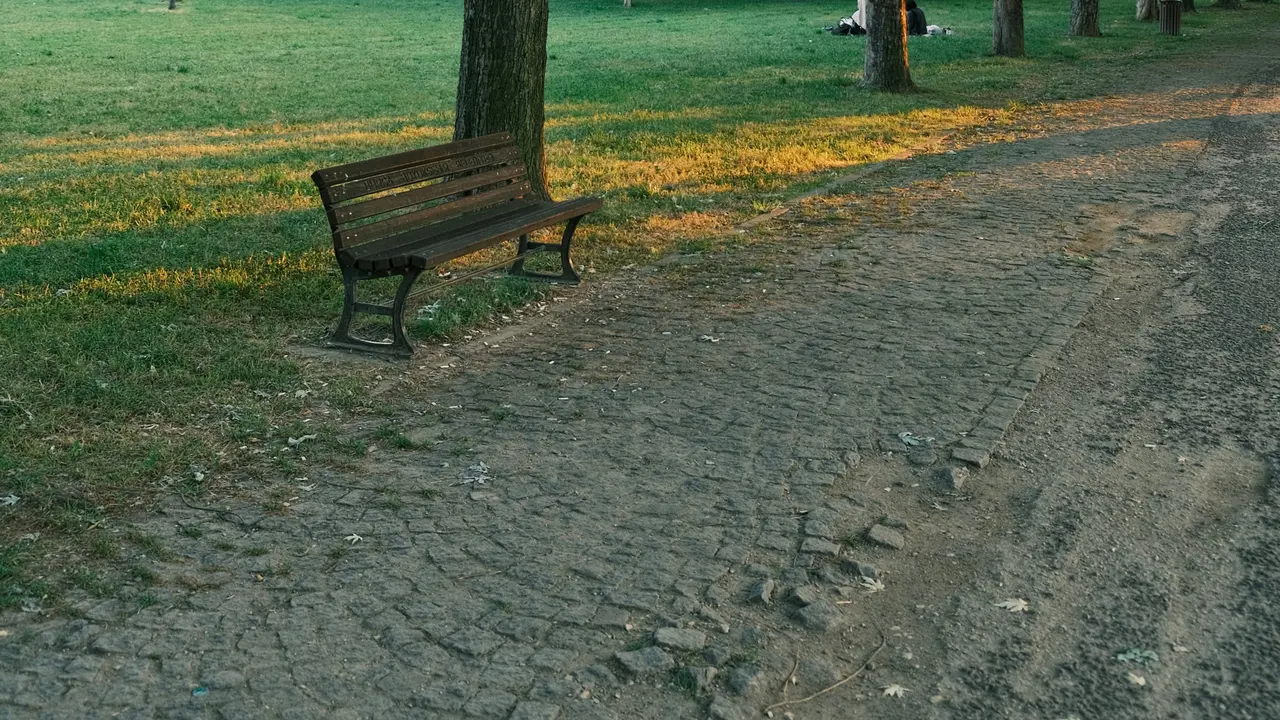
To decide how to plan an accessible park outing, first choose what you want to do and which information needs confirming. Entrances, paths, breaks and exits are part of the same visit, even on a short outing.
This itinerary helps you speak with the administration. It does not rate parks, recommend routes based on a diagnosis or guarantee resource availability. An answer about the entrance does not confirm the rest of the visit.
The references are two primary National Trust pages about parks in England. They show useful kinds of information; they do not establish conditions in Brazilian parks or replace contact with your chosen venue.
1. Define the outing and essential conditions
Write down what you want to do: rest near an entrance, visit a garden or explore part of the park. Choose a main option and a shorter alternative so the visit does not depend on seeing the whole area at once.
Describe your needs practically: a step-free entrance, written information, help finding the way or somewhere to take breaks. There is no need to reduce everything to a diagnosis.
Separate confirmed arrangements from what you still need to know. Include the park name, intended entrance and visit date in each question; answers about another entrance or season may not resolve your plan.
- What do I want to enjoy on this visit, and what is a shorter alternative?
- Which information or support do I need before deciding to go?
- Which questions need answers before I arrange transport?
2. Check arrival all the way to the start of your route
Confirm which gate will be available and how to reach the information point or chosen path from there. Ask about the route from drop-off or parking, not just the park's main entrance.
The Osterley page describes a map in the car park and internal transport subject to volunteer availability. This is the operator's description of that English venue, not a promise of support at every park.
If your visit depends on staff assistance, ask how to request and confirm it. A general reference to internal transport or equipment does not mean it will be reserved for your arrival.
Keep the entrance name, supplied address and responsible contact. Agree on a clear meeting point with your group, especially if people arrive through different entrances.
Reference: National Trust: access at Osterley Park and House.
- Which entrance serves the route I plan to take?
- What is the route from drop-off to the information point and start of the outing like?
- Is any request for assistance still awaiting confirmation?
3. Ask about each section, not just the map
Request a description of the path connecting your visit's stops. Ask about surfaces, gradients, steps, gates and diversions. An accessibility symbol on a map does not explain every section by itself.
At Osterley, the operator describes different surfaces, uneven sections and step-free areas. Use this example to request details about your chosen park without transferring the English reference's features to it.
Seek an answer tied to the path you intend to use. If measurements or photographs are necessary for your decision, ask the operator for current information; do not estimate width, distance or gradients from a photo.
Discuss how to return to the agreed entrance. A loop and an out-and-back path can call for different plans; ask which connections will be open on your intended date.
Reference: National Trust: access at Osterley Park and House.
- What is the surface between the entrance, the attraction and the exit like?
- Are any sections different from the map, or are diversions in place?
- Which current information can I use to assess the route myself?
4. Include rest and bathrooms in the same plan
Locate places where you would like a break and ask how to reach them from your chosen path. If seating or shade matters, request details from the operator instead of assuming availability.
In a November 2024 account of Ilam Park, the National Trust described a loop starting and finishing near facilities, with benches along the path. This is a historical example of linking routes and rest stops.
Ask separately about the bathroom: where it is, how to reach it, when it is available and how to find information about the features you need. The word accessible does not replace this conversation or confirm opening on the day.
Do not consider a facility confirmed just because it appears on an old map. Record what the administration has confirmed and consider an alternative if an essential facility is unavailable.
Reference: National Trust: an account of Ilam Park's paths.
5. Clarify communication, equipment and assistance
Decide how you prefer to receive directions and ask which channel you can use before and during the visit. If you need another map format or help finding an area, make that purpose clear in your request.
If equipment loans or internal transport are offered, consult the administration's instructions directly. Clarify requests, confirmation, collection and return, without treating the service's existence as an automatic reservation.
Agree with your companions how to request help and find each other if separated. Keep essential information available to consult without relying on an internet connection during the outing.
- Who can I speak to if I cannot find the agreed entrance or path?
- How will I receive notices or directions in a usable format?
- Has my equipment or assistance request been confirmed for this visit?
6. Reconfirm conditions and keep an alternative
Before leaving, check official opening and access notices. Ask whether the route or facilities you confirmed have changed, especially if you made your initial enquiry well in advance.
If rain, maintenance or a section closure affects the visit, request current guidance from the operator. This guide does not assess terrain or safety; a photo or earlier visit does not establish today's path conditions.
If an essential condition remains uncertain, consider another date or activity. Confirm that alternative's conditions too, without treating completion of the route as an obligation.
Afterwards, record what worked and what you would change. Identify the park, entrance, route and date so the experience informs future questions without becoming a general access guarantee for other people.
Checklist before confirming
- Outing goal and a shorter alternative defined.
- Park, date, entrance and meeting point identified.
- Route from drop-off to the start clarified.
- Surfaces, changes in level, obstacles and return discussed with the operator.
- Rest points and bathroom checked separately.
- Communication and any assistance requests confirmed.
- Map, answers and contact details available to consult.
- Current notices and outstanding issues reviewed before leaving.
Frequently asked questions
Does a step-free entrance confirm that the whole park is accessible?
Do not use entrance information to fill gaps about other sections. Ask about the route to your activity, facilities and the exit you intend to use.
How can I tell whether the surface works for me?
Request a current description of the section, including surfaces, changes in level and obstacles. If needed, ask the operator for measurements or photos. The guide does not assess individual ability or recommend routes by diagnosis.
Can I rely on loan equipment without confirming first?
Check availability and procedures directly with the operator. Separate a general service description from confirmation for your date; clarify collection, instructions and return too.
Do the English parks cited guarantee services in Brazil?
No. Osterley and Ilam are examples published by the National Trust itself in England. The questions can help organize your enquiry, but conditions must be confirmed at the park you intend to visit.
Reference: National Trust: access at Osterley Park and House; National Trust: an account of Ilam Park's paths.
Does an old improvement announcement confirm today's path conditions?
No. The Ilam Park account was published in 2024. It illustrates a type of route planning; it does not replace current information about opening, maintenance and visit conditions.
Reference: National Trust: an account of Ilam Park's paths.
Planning guidance, not medical or legal advice. Confirm services, conditions and costs with the providers. Sources do not represent a SOL inspection or certification.
Sources and retrieval dates
- National Trust: access at Osterley Park and House
Retrieved: .
The English operator's primary page, with no identified editorial date. It describes that venue, not Brazilian park conditions or confirmed assistance for a future visit.
- National Trust: an account of Ilam Park's paths
Retrieved: . Source publication: .
A historical primary account, not current news or a SOL inspection. The same institution as the other source, not an independent publisher. Retrieval does not establish the route's present condition.
Continue planning
- How to plan a visit to an accessible museum
- Accessible events: what to confirm before attending
- How to plan a day at an accessible beach
Would your organization like to prepare a more accessible experience? Discover SOL talks, training and consulting ↗