How to plan a theatre visit with Brazilian Sign Language (Libras)
Choose a performance, clarify the interpreter's position and organize tickets, communication and arrival before confirming your outing.
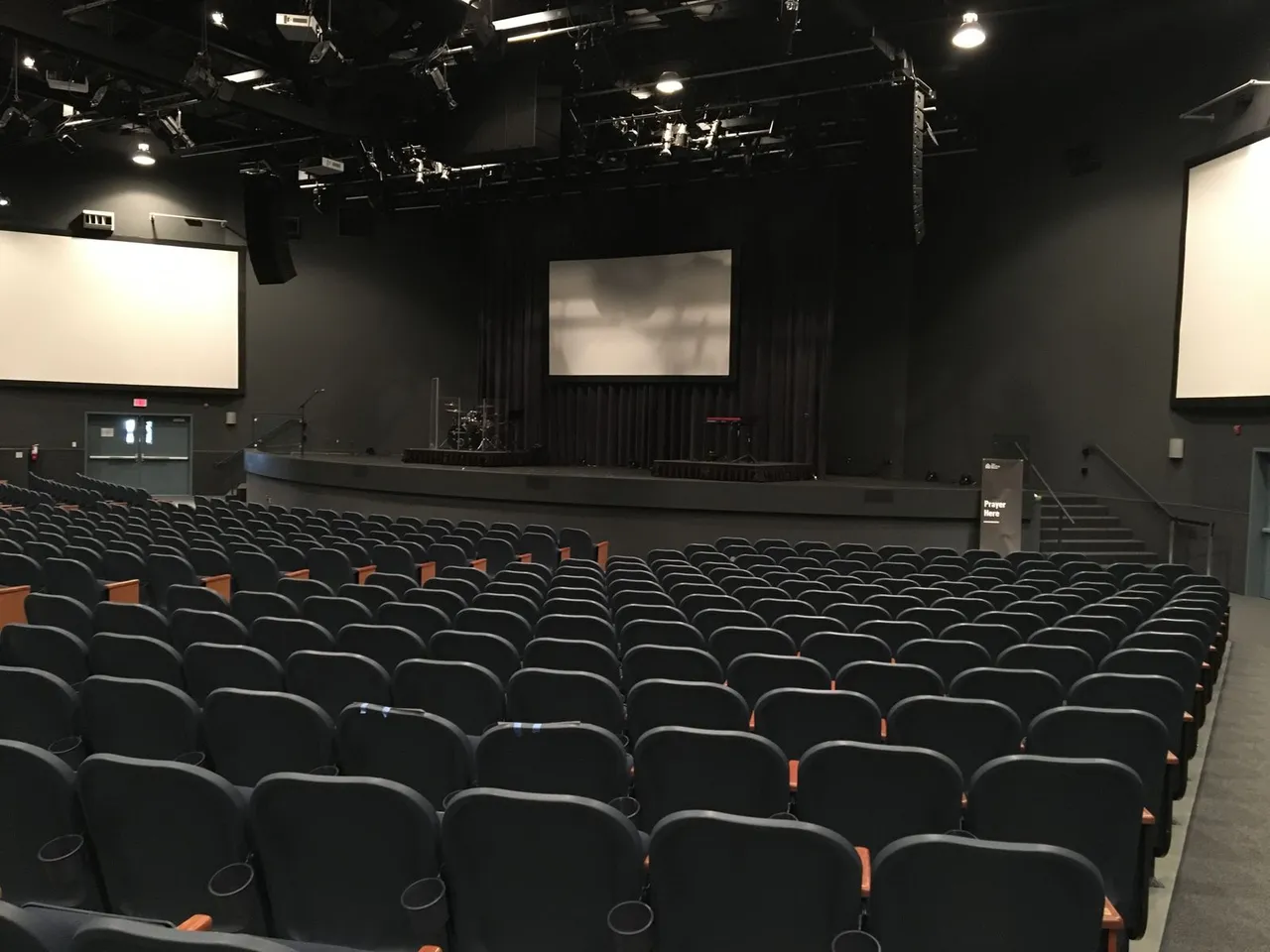
To decide how to plan a theatre visit with Libras, Brazilian Sign Language, start with the exact performance and what you need to follow on stage. Then confirm interpretation, visibility from your seat and the contact channel.
An accessibility notice on a theatre's website does not answer every question about that performance. Record your essential conditions and separate confirmed answers from requests still awaiting a reply.
This itinerary offers questions; it does not certify shows or guarantee services. Sources include an old Itaú Cultural interview and programme: planning references, not a current events calendar.
1. Confirm the performance before choosing a date
Record the play, theatre, auditorium, date and time. Include all of these when asking about Libras. This reduces the risk of receiving an answer about another production or another day of the run.
The programme for Meu amigo inglês, published by Itaú Cultural in 2025, identified interpretation for the show. The page is marked as a finished event; it is only an example of performance-specific information.
Find the current programme through the organizer's channel. If the announcement does not clearly identify which performances include the resource, resolve this question before buying or reserving a ticket.
When comparing two options, keep separate notes for each. Do not transfer one show's confirmation to another simply because both use the same building or producer.
Reference: Itaú Cultural: closed programme for Meu amigo inglês.
- Will Libras interpretation be provided for this performance, date and time?
- Does the confirmation match the auditorium and production I intend to see?
- Where will changes be announced, and which channel answers performance questions?
2. Ask where you can follow the interpretation from
In the Itaú Cultural interview, professionals describe difficulties related to interpreter positioning and lighting. Published in 2020 and updated in 2021, the account does not describe every theatre's present conditions.
Use this issue to discuss your chosen auditorium. Ask where interpretation will take place and which seats allow you to follow both the interpreter and the stage, considering your preferences.
Do not choose a supposedly universal best row without knowing the production. A seating plan can help frame the question but does not show lighting, temporary obstructions or the interpreter's position by itself.
If you also need a particular space for movement or seating, ask how to meet both needs. An answer about Libras does not replace confirmation of the route and place you intend to use.
Reference: Itaú Cultural: the work of Libras interpreters in theatre.
- Where will the interpreter be in relation to the stage? Does this change during the play?
- What can staff tell me about the view from my chosen place?
- How can I clarify my seating choice before completing the ticket purchase?
3. Clarify the advertised resource without assuming equivalence
Ask what the announcement means by Libras: interpretation of the performance, a production in Libras or another format described by the producer. Request a concrete explanation instead of inferring arrangements from a symbol.
If you also want captions, audio description or written information, ask separately. Confirmation of one resource is not an automatic answer about another; do not assume everyone wants the same support.
Discuss communication preferences with your companions. The aim is to choose an experience that makes sense for the group, without making a companion responsible for all service arrangements.
- How does the production describe the format available at this performance?
- How will I receive notices about entry, changes or directions during the visit?
- If I need another resource, is there a specific answer about it?
4. Organize tickets and save the answers
Before completing a reservation, check that the ticket correctly identifies the show, performance and seat. If the seat choice depends on staff confirmation, keep that answer with your ticket.
A request and a confirmation are different stages. An unanswered message does not show that a seat or requested assistance has been reserved. Ask how staff will identify the arrangement when you arrive.
Ask the provider directly about prices, documents, ticket conditions and possible changes. This itinerary does not interpret commercial rules or determine eligibility for benefits or purchase conditions.
Keep a usable copy of essential information, including offline. Share only what the group needs for the outing; a specific service question does not require sharing your entire personal history.
5. Agree on entry, routes and communication on arrival
Plan the way to the entrance and then to the auditorium. Ask about the entrance you intend to use, directions to your place and other points important to you, such as bathrooms or waiting areas.
Ask staff how early to arrive for that performance. Do not adopt a fixed number of minutes for every theatre: ticket collection, moving around and resolving questions can depend on operations.
Agree on a meeting point with your group and a staff contact channel. On arrival, check that the directions match the auditorium and place identified before your visit.
If what you find differs from what was agreed, describe the difficulty and ask staff for help. Avoid moving seats yourself when this depends on auditorium arrangements or reserved places.
6. Keep an alternative for changes and outstanding questions
Before travelling, check the official channel for notices. If an essential condition remains unconfirmed, consider waiting for an answer or researching another performance, without assuming that alternative is guaranteed.
Ask whom to approach if you have difficulty communicating, finding your place or seeing the interpretation on the day. Describe the specific need and ask which options exist at that performance.
After the outing, record what worked and what to ask on your next visit. Identify the play, auditorium and date: a single experience does not establish conditions for other productions or seasons.
Checklist before confirming
- Play, theatre, auditorium, date and time identified.
- Libras confirmed for the chosen performance.
- Interpretation format and position clarified with the producer.
- Seat visibility information requested and understood.
- Other required resources discussed separately.
- Ticket and staff replies available to consult.
- Entrance, route and arrival directions agreed.
- Change contact and outstanding questions recorded.
Frequently asked questions
Does a theatre advertising Libras provide it at every performance?
Do not treat a general announcement as confirmation for a specific performance. Send the play name, auditorium, date and time to the organizer and request an answer for that session before deciding.
What is the best place to follow the interpretation?
It depends on the stated position for that production and your preferences. Ask about views of the stage and interpreter from your chosen seat; this guide does not recommend a universal row.
Does an old programme confirm that Libras is available now?
No. The Meu amigo inglês page is a closed 2025 record. It illustrates how a programme can identify a resource, but current availability must be confirmed with the organizer.
Reference: Itaú Cultural: closed programme for Meu amigo inglês.
Does Libras also confirm captions or audio description?
Ask separately about each resource you want. Request a description of that performance's format and how to receive directions; do not fill gaps with assumptions.
What if visibility does not match what was agreed?
Speak to theatre staff and explain the difficulty from your place. Ask about available alternatives, without assuming another seat is free or can be used without checking.
Planning guidance, not medical or legal advice. Confirm services, conditions and costs with the providers. Sources do not represent a SOL inspection or certification.
Sources and retrieval dates
- Itaú Cultural: the work of Libras interpreters in theatre
Retrieved: . Source publication: . Source update: .
Primary interview with professionals, used as a historical reference for positioning and lighting. It does not establish current services or conditions or support legal interpretation.
- Itaú Cultural: closed programme for Meu amigo inglês
Retrieved: . Source publication: . Source update: .
Primary record of a finished event, used only as an example of show-specific Libras information. The same institution as the interview, not a second independent publisher. Not a current events calendar.
Continue planning
- Accessible events: what to confirm before attending
- How to choose a cinema screening with audio description
- How to plan a visit to an accessible museum
Would your organization like to prepare a more accessible experience? Discover SOL talks, training and consulting ↗